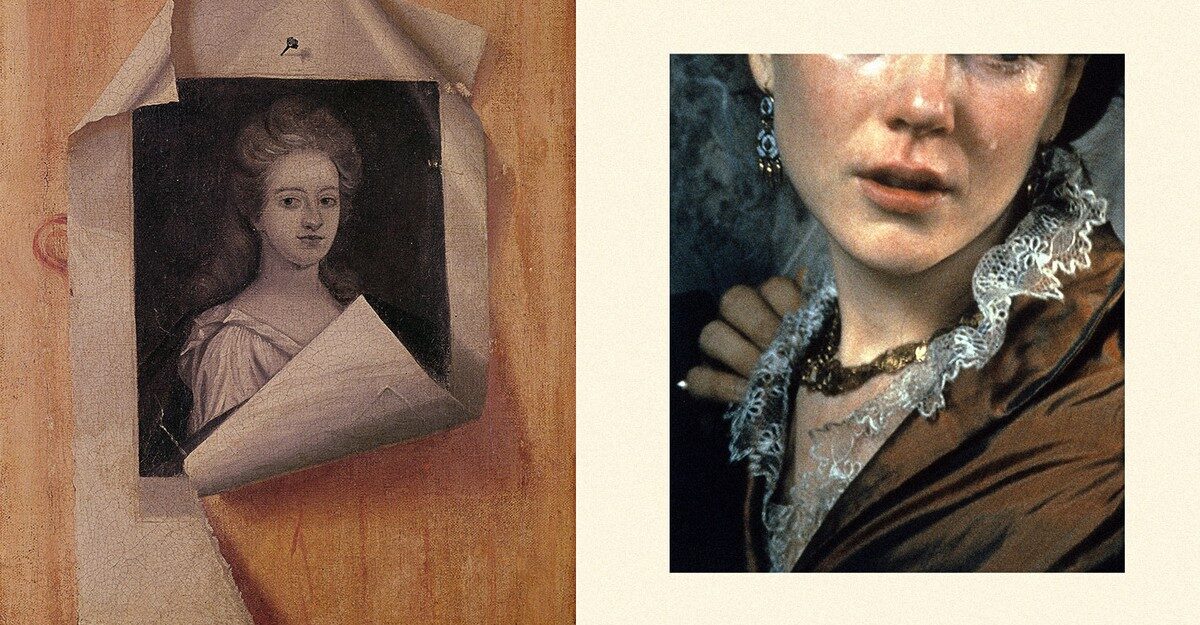
In college, I took a pair of Shakespeare survey courses that taught me two divergent but complementary ways of reading classic fiction. The professor in one class frequently asked us to put ourselves in the characters' shoes'by asking us, for instance, to contemplate how heavy our heads might be if we, like Henry IV, wore the crown, or to imagine ourselves as Juliet on the balcony. The other professor emphasized everything in the plays that was alien to modern ears: how, for example, King Lear's resentful banishment of his daughter Cordelia didn't necessarily read as cruel, because it reflected a world that prized fealty over love. I suspect the second teacher would have been intrigued by a young academic field, the subject of a new Atlantic article by Gal Beckerman, that questions our tendency to see ourselves mirrored in figures of the past. Beckerman focuses on Rob Boddice, a historian who challenges the assumption that 'people in the past were just like us, with slight tweaks for their choice of hats and standards of personal hygiene.' We oversimply feelings, Boddice says'they are not nearly as universal as we think they are; even emotions such as happiness, sadness, anger, and disgust may not have existed in the same way for people who lived a few centuries ago that they do for us. In fact, some of Boddice's earliest research showed that humans' experience of events changed frequently; an activity 'that once caused delight' could, a few decades later, 'elicit revulsion.' A medieval carpenter who banged his thumb with a hammer, at a time when people thought differently about God, medicine, work, and even pain, might react to the blow in ways that would confuse us....

Since Trump returned to the White House, it has become clear just how fraught IVF is for his base. Some conservative Christians oppose IVF because it often involves destroying extra embryos not implanted in the woman's uterus. According to Politico, anti-abortion groups lobbied against a requirement for employers to cover IVF. Instead, some vouched for 'restorative reproductive medicine' ' a term that has been around for decades but has received much more attention, especially from conservatives, in the past few months. Proponents of restorative reproductive medicine tend to present it as an alternative to IVF: a different way of treating infertility, focused on treating underlying causes. But the approach is controversial, and some practitioners closely link their treatments to Catholic teachings. As a scholar of religion, I study U.S. Catholics' varied perspectives on infertility, seeking to understand how religious beliefs and practices influence physicians' and patients' choices. Their perspectives help provide a more nuanced understanding of Christianity's role in the U.S. reproductive and political landscape....
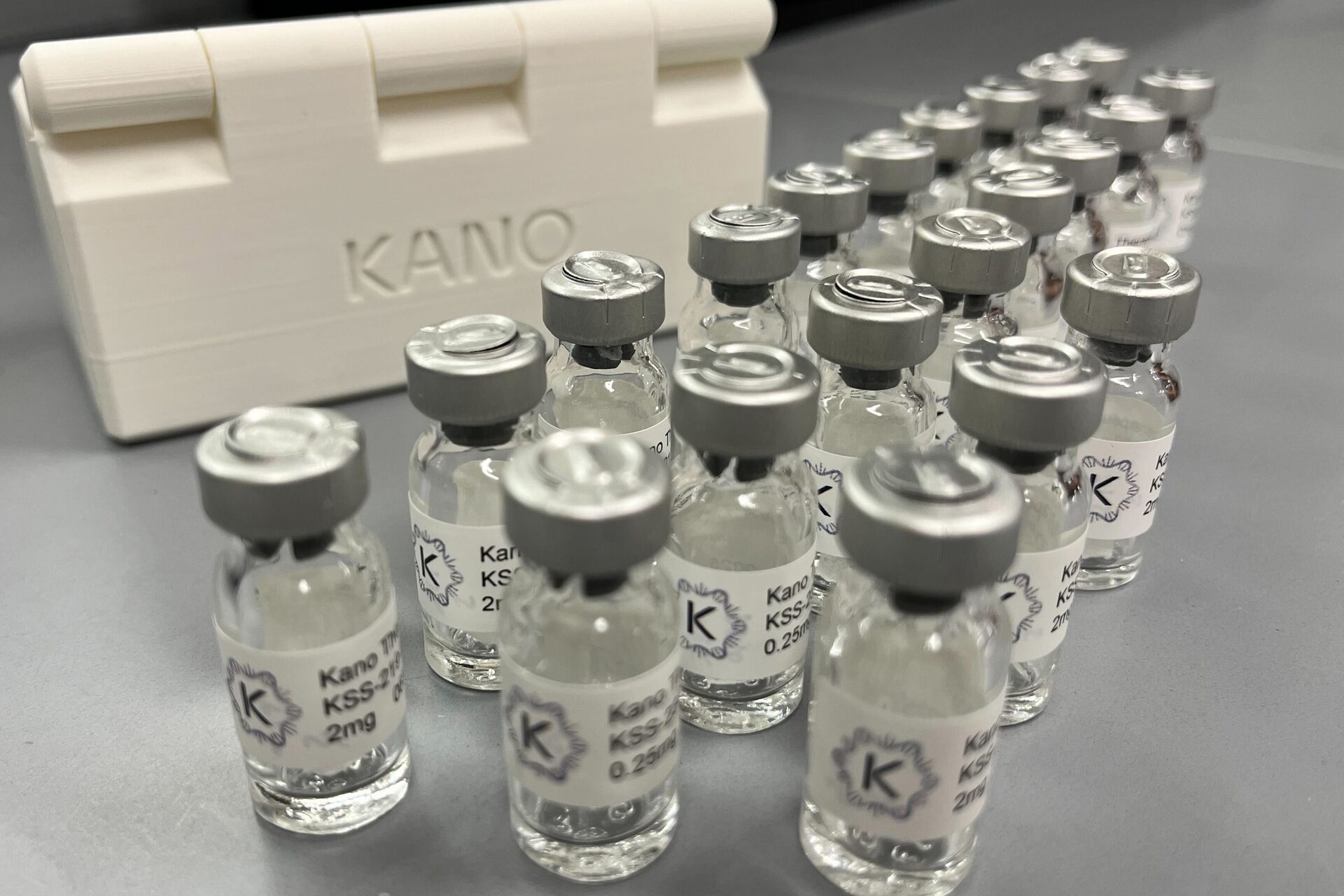
To our immune system, a potentially lifesaving gene therapy can look a lot like a dangerous infection. That's because most genetic medicine uses viruses or double-stranded DNA to deliver genetic information to target cells. DNA in its traditional double helix form can lead to toxic immune stimulation and be difficult to package into cellular delivery vehicles. As a result, the reach of genetic medicine is limited today. Kano Therapeutics is taking a different approach to genetic therapies. The company is developing gene-editing technologies using circular single-stranded DNA (cssDNA), a biomolecule that is less toxic than double stranded DNA and more stable than RNA, and could be delivered more efficiently to many parts of the body to treat genetic diseases, cancers, and more. The company, which was founded by former MIT postdoc Floris Engelhardt, professor of biological engineering Mark Bathe, and John Vroom MBA '22, is developing a platform for manufacturing cssDNA of customized lengths and sequences, which could deliver genetic material to fix or replace faulty genes....

For a decade after its discovery, CRISPR gene editing was stuck on the cusp of transforming medicine. Then, in 2023, scientists started using it on sickle-cell disease, and Victoria Gray, a patient who lived with constant pain'like lightning inside her body, she has said'got the first-ever FDA-approved CRISPR gene-editing treatment. Her symptoms vanished; so did virtually everyone else's in the clinical trial she was a part of. This year, the technology has started to press beyond its next barrier. Most of the 8 million people globally who have sickle-cell disease share the same genetic mutation; treating rare disorders will require dealing with many different mutations, even within the same disease. And although rare diseases affect 30 million Americans in total, relatively few people are diagnosed with each one. Fyodor Urnov, a scientific director of UC Berkeley's Innovative Genomics Institute (IGI), showed me a list of rare diseases and pointed to one carried by only 50 people. 'Who's going to work on a disease with 50 patients'' he asked. And even within one disorder, each person might need their own customized CRISPR treatment. Drug developers have little financial incentive to spend years and millions of dollars designing therapies that may need to be tailored to literally one person....