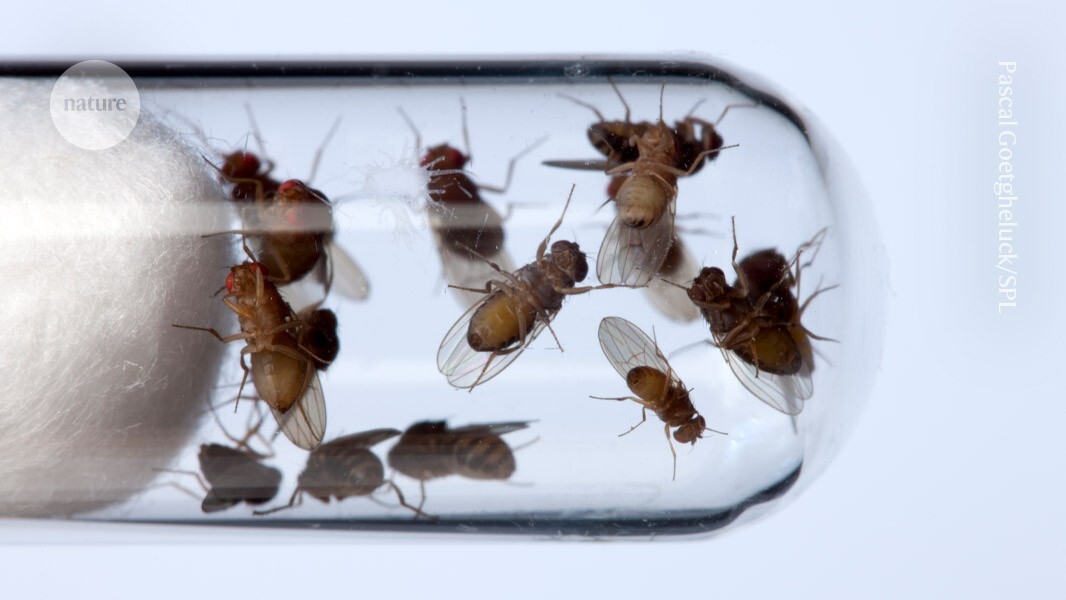
The work, described in two preprints posted to bioRxiv on 9 July1,2, shows that the field is in good shape, says co-author Mark Hanson, who studies the evolution of Drosophila immune systems at the University of Exeter, UK. 'There is a narrative of a 'reproducibility crisis' in science, which sounds dramatic,' he says, but adds that the scientists themselves are rarely that worried. 'Fly genetics is so incredibly powerful, and allows so many independent experiment types, that we constantly build on each other's work all the time.' The idea of a reproducibility crisis stems from concerns that some scientific work is difficult to reproduce by other researchers. There have been many efforts to validate individual studies and key findings, some with shocking results. For example in 2015, it was reported that more than half of 100 psychology studies fail reproducibility tests3, and earlier this year, a coalition of 56 research teams surveyed dozens of Brazilian biomedical studies and...
learn more